An impact case study based on the law programme’s Law and Climate Atlas, first launched in 2022, and the associated research of Nick Scott, Manager (Law & Climate Change) CCE, and the Net Zero Lawyers Alliance.
Overview
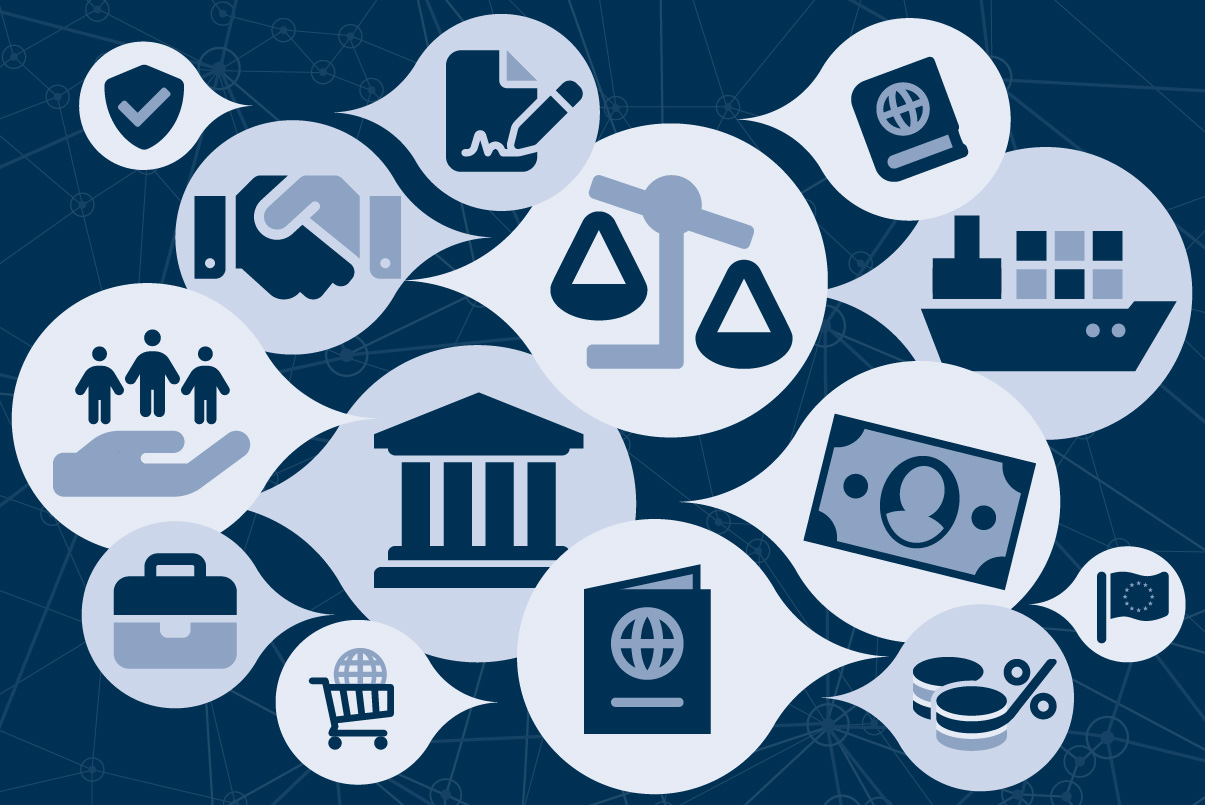
The Law and Climate Atlas is a free, digital resource developed by the Centre for Climate Engagement (CCE) and the Net Zero Lawyers Alliance (NZLA). It maps intersections between climate change and many different fields of law, providing concise outlines of how different legal areas are influencing, and being influenced by, climate change. Each section includes relevant citations and links to further reading, and is updated to reflect key developments.
The Challenge
Climate change is reshaping every area of law, yet many legal professionals lack accessible, up-to-date guidance on how climate change impacts their specific practice area. Without this knowledge, lawyers have limited ability to contribute to global climate goals, and their clients face heightened exposure to litigation and regulatory risk. The Atlas addresses this capacity gap by making climate-legal knowledge clear, trusted, and freely available to lawyers from a wide range of practice areas, supporting informed decision-making across the legal system and economy.
Our Approach
CCE partnered with the Net Zero Lawyers Alliance, a coalition representing over 100,000 lawyers across 40+ jurisdictions, to create the Law and Climate Atlas. Together, the teams curated high-quality chapters explaining how climate change intersects with legal practice areas ranging from company and financial law to human rights and criminal law. Each chapter was informed by legal expertise from both practice and academia. The Atlas launched in 2022 with 16 UK-focused chapters and has since expanded to 46 chapters across the UK, US, and Brazil, with EU chapters launching soon.
CCE ensured academic rigour and practitioner relevance by coordinating expert reviews, producing deeper policy analysis based on chapters, and showcasing the Atlas globally at events including COP27, COP28, London Climate Action Week, New York Climate Week, PreCOP29, COP30, and UNFCCC SB62 in Bonn. The Atlas is used in universities, bar associations, law firms, and continuing professional development programmes worldwide, bridging research, policy, and practice.
Impact
Quantitative Impact
- 25,000+ views in over 100 countries; legal professionals, academics, and policymakers
- Cited in 15+ academic journals, listed on the IBA Climate Registry and featured in professional publications
- Featured at 20+ workshops/dialogues including panels hosted by the IBA, UNFCCC, ABA, Brazilian Bar Association, CISDL Secretariat, and King’s College London

Qualitative Impact
The Atlas is frequently used to build the climate change capability of legal professionals. For example, the Atlas is:
- Used to inform practitioner-focused networks and resources including the Net Zero Lawyers Alliance and LexisNexis
- Actively used in teaching at the University of Cambridge and other academic institutions
- Helped inform training from The Chancery Lane Project
- Used to build capacity within law firms’ internal training
- Featured in CPD-accredited sessions with bar associations worldwide
- Cited in parliamentary debates
Markus Gehring is Professor of European and International Law at the University of Cambridge. He said:
“The Law and Climate Atlas demonstrates that climate change now intersects with almost every area of law, and its overview of these intersections can be a platform for researchers and practitioners to dive deeper into many climate law issues. I am delighted that the Atlas is expanding to cover more areas of law. I hope it will continue to grow its cover of different legal jurisdictions in the future, to become a truly global resource.”
Professor Markus Gehring
Learning and Insights
What worked well:
- Strong partnership between CCE and NZLA ensured content met both academic and practitioner needs.
- Free, open-access design removed barriers to global uptake.
- Showcasing the Atlas at major climate and legal events increased visibility and credibility.
Challenges:
- Rapidly evolving climate law creates ongoing demand for updates and expansion.
- Ensuring cross-jurisdictional accuracy requires extensive expert review.
Insight:
- Effective climate governance tools require collaboration across academia, practice, and policymaking.
- Clear, accessible resources can rapidly build capability at scale.
What’s Next
CCE and NZLA will expand the Atlas in 2026 to include new chapters on law and climate change in Brazil and an entire new branch of the Atlas covering the European Union extending its global relevance. Continued updates across all the regions will ensure the Atlas remains a leading resource for legal professionals navigating the fast-changing landscape of climate law. New collaborations with legal educators and bar associations will further embed climate-legal competence across the profession.
Explore the Law and Climate Atlas at https://lawclimateatlas.org/ to access practical guidance for climate-competent legal practice and contact CCE to collaborate on future expansions or research.