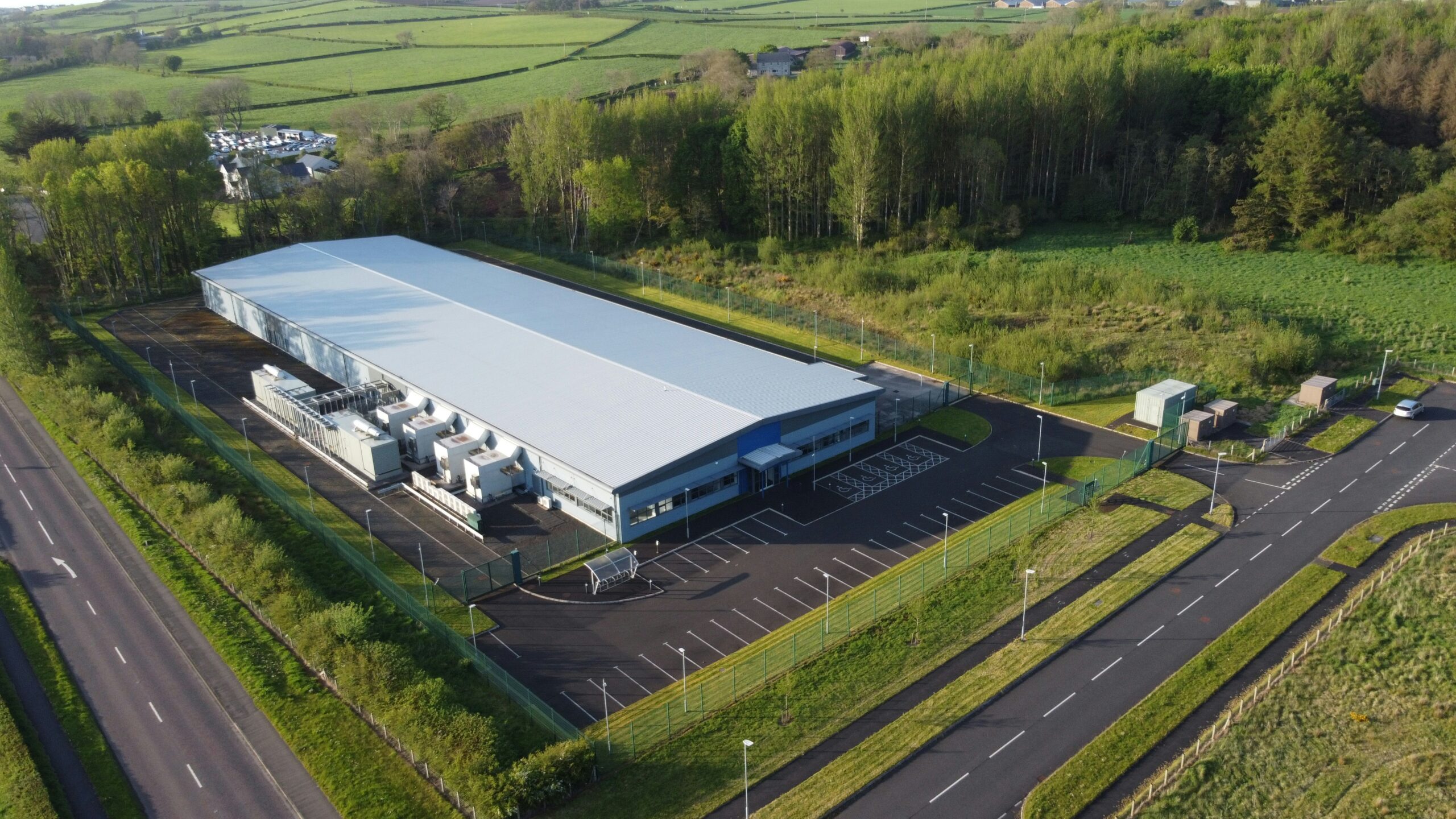
Climate-related concerns have featured heavily in debates surrounding the growth of artificial intelligence (AI). The rapid buildout of data centres and related infrastructure to meet AI’s significant computing demand has increased demand for electricity, often generated from fossil fuel sources. This increased demand may threaten climate goals and sits alongside a wide range of interrelated environmental risks driven by demand for water, land, and critical minerals. AI applications can be deployed to enhance environmental outcomes but can also be used for activities that threaten environmental targets such as fossil fuel extraction.
Amidst unprecedent investment in AI infrastructure, rapid integration of AI in the economy, and fast-developing AI capabilities, litigation has become an important tool for communities and civil society groups seeking to challenge AI-related developments that come into conflict with environmental goals. On 28 July 2026, Hausfeld convened a roundtable discussion on litigation at the intersection of AI and climate change, in collaboration with the Centre for Climate Engagement at Hughes Hall, University of Cambridge. Experts from legal practice, academia, and civil society shared perspectives on existing claims and potential new frontiers of litigation and considered the role of litigation in tackling the broader challenge of governing AI’s climate-related impact. This event summary captures key points from the discussion:
- Planning claims have emerged as a legal battleground for concerns around the growth of AI data centres. Environmental litigation against data centres in the UK and abroad has mostly relied on planning, permitting, or related legal frameworks. In many ways, these claims are not novel and consider established requirements such as environmental impact assessments or, in the UK, Section 106 agreements. Participants agreed that claims should be sensitive to wider legal, political, and economic contexts depending on the jurisdiction in which they are brought. Claims that are broadly ‘climate-related’ could directly consider climate impacts where this is possible under existing planning law but can also invoke related issues such as access to energy where these challenges are most prevalent and amenable to litigation.
- Participants also noted certain gaps in and barriers to planning claims against data centres. Back-up fossil fuel generation is being built to power data centres, and is linked to broader concerns around carbon offsetting in power purchase agreements, but may not feature in environmental impact assessments. Developers can designate data centres as ‘nationally significant infrastructure’ following recent changes to section 35 of the UK’s Planning Act 2008, but this could risk ‘project splitting’ where energy infrastructure supporting data centres and the data centres themselves are subject to different environmental assessments, potentially presenting a barrier to full and coherent scrutiny of a project’s cumulative environmental impacts. More generally, certain challenges in assessing the environmental impact of data centres may be a result of gaps in institutional capacity amongst planning authorities, which may be difficult to solve through litigation alone.
- Aligning broader government AI strategies with climate goals is crucial, but litigating this issue may be difficult. Government plans to make significant investments in data centres and AI more generally could threaten climate targets or carbon budgets. In principle, legal challenges to broader government strategy may avoid certain limitations of net-zero-based site-by-site challenges and allow for fuller consideration of misalignments between technology and climate policy. However, the success of such claims may rely heavily on the discretion of ministers and other public decision makers, and they could therefore be difficult in certain political environments. Civil society engagement with soft law mechanisms such as UN processes and other international frameworks establishing regulatory best practice and industry standards may strengthen the legal footing for potential high-impact claims targeting broader government strategy.
- Reconciling governments’ AI goals with climate obligations is therefore likely a challenge that extends far beyond litigation. This includes efforts to tackle AI’s ‘enabled emissions’ which arise when, for example, AI tools are used to enable fossil fuel extraction. Participants also discussed more fundamental questions about AI applications that demand significant natural resources without a clear societal benefit, questioning whether the law has a role to play in guiding the use of AI in these contexts. On the other side of the supply chain, AI’s demand for critical minerals is relatively underexplored in legal terms. Litigation could help expose the limits of current legal regimes’ ability to manage these risks, potentially informing advocacy and policy reform efforts. Given eroding public trust in AI and the institutions supporting its growth, participants agreed on the importance of exploring these questions further.
- While litigation to date has mainly targeted governments, private entities might also become the target of climate-related claims. The development of AI and its supporting infrastructure involves a range of business actors including technology companies, data centre developers, and a wide range of end users creating demand for AI products. While these actors are undoubtedly impacted by claims brought against governments, they have generally not been directly targeted by litigation. In one sense, these corporate actors can appear further removed from climate impacts than companies more directly involved in the fossil fuel industry. However, emissions from data centres may fit within their ‘Scope 1’ and ‘Scope 2’ greenhouse gas emissions, obviating discussion about ‘Scope 3’ emissions that has occurred in claims brought against entities that extract fossil fuels. These claims largely involve the significant ‘Scope 3’ emissions generated by the downstream use of extracted fossil fuels. AI-related claims may still target ‘Scope 3’ emissions, though this remains highly dependent on the ownership structure and the entity subject to the claim.
- Claims against companies may also target representations they make about AI’s environmental credentials, adding to a growing body of ‘greenwashing’ litigation that has been successful in many jurisdictions. These claims may focus on alleged misleading statements in prospectuses, and challenges to this type of representation brought against technology companies on nonenvironmental grounds indicate this possibility. Derivative claims, which have emerged as a potential legal lever for ensuring corporate climate accountability in the past few years, may be a route to deeper scrutiny of how boards are governing environmental risks from AI expansion. As shareholders are likely to be the claimants in many claims targeting companies, the likelihood of successful litigation on these grounds may depend on whether broader market conditions lead to financial loss amongst investors.
On balance, litigation has already been an important tool for groups looking to address AI’s environmental risks, and there is scope for creative and novel claims targeting climate impacts across the AI ecosystem. While litigation has limitations, it may drive broader action in this area by encouraging governments and policymakers to assess how AI strategies and plans can serve the public interest. Despite criticism that this type of claim obstructs growth or socio-economic development, participants agreed that litigation could help shape a more evidence-based approach to AI development. Multidisciplinary collaboration between practitioners, researchers, and civil society groups will be essential to realising these potential benefits.
Hausfeld and CCE would like to thank all participants who attended the roundtable, including:
Simon Bishop (Hausfeld); Emily Bradeen (Grantham Research Institute on Climate Change and the Environment), Acland Bryant (Garden Court Chambers); Chris Hilson (University of Reading); Natascha Hospedales (ClientEarth); Eoin Jackson (Grantham Research Institute on Climate Change and the Environment); Alexey Noskov (University of Cambridge); Nick Scott (University of Cambridge); Sofie Surraco (University of Cambridge); Giulia Trojano (Hausfeld).